When Is It Time to Replace Stairs With a Ramp?
Our homes are meant to support the way we live, but our mobility doesn’t always stay the same over time. Recovering from surgery, managing arthritis, using a walker, or simply noticing that stairs take more effort than they once did can all change how you move through your home each day.
For some people, that means it may be time to consider replacing stairs with a ramp. The decision doesn’t happen overnight, and it doesn’t look the same for everyone.
Small Changes Can Be Early Indicators
Many people don’t realize how much they’ve adapted to their surroundings until everyday tasks start feeling more difficult. You may find yourself avoiding the front entrance because the garage has fewer steps, making extra trips to carry groceries, or taking more time to get in and out of the house.
These adjustments can be easy to overlook, but they often provide valuable insight into how well your home is supporting your current needs.
Some common signs it may be worth exploring accessibility modifications include:
- Climbing stairs causes pain, fatigue, or shortness of breath.
- You use a walker, wheelchair, scooter, or other mobility device.
- You rely heavily on handrails or assistance from someone else.
- Changes in balance have made stairs feel less comfortable.
- You’re planning ahead for aging in place or a future medical procedure.
Recognizing these changes early gives you the opportunity to explore options before mobility becomes a larger obstacle.
Accessibility Planning Looks Beyond the Stairs
Questions like these help guide recommendations:
- How do you enter and leave your home most often?
- What daily activities are becoming more physically demanding?
- Are there areas of the home you’re starting to avoid?
- Do you expect your mobility needs to change over the next several years?
- What level of independence is most important to you?
The answers help determine which modifications will provide the greatest benefit while supporting the person’s individual goals and lifestyle.
What Makes a Ramp a Good Long-Term Solution?
A ramp isn’t simply an alternative to stairs. It creates a gradual transition between the home and the outdoors that can be easier to navigate with a wide variety of mobility needs.
Depending on the situation, a ramp may allow someone to:
- Continue using a walker or wheelchair independently
- Move groceries, laundry, or other household items more comfortably
- Reduce strain on painful knees or hips
- Make entering and leaving the home less physically demanding
- Improve accessibility for caregivers assisting with mobility
A Ramp Isn’t Always Installed at the Front Door
Many people picture a ramp leading directly to the front entrance, but that’s only one possibility.
In many homes, the garage entrance, side door, or another access point offers a more practical location. Factors such as available space, slope, landscaping, and how the homeowner typically enters the house all influence the final design.
Every property presents different opportunities, which is why accessibility recommendations should always be customized to the home.
Every Home Requires a Different Solution.
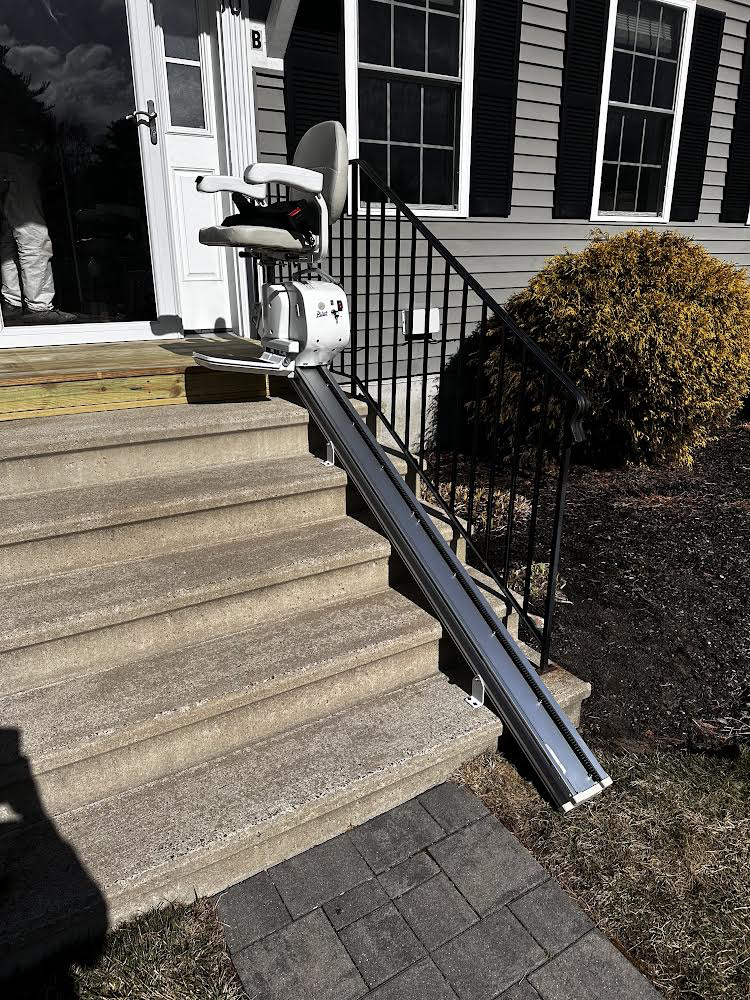
In some situations, a ramp may be the right solution. In others, a stairlift, additional railings, or another accessibility modification may better meet the homeowner’s needs.
That’s why personalized recommendations are so important. A thoughtful assessment considers both the home’s layout and the person who lives there.
Pro Tip from Our OTR/L Team
Planning ahead often creates more options. Waiting until mobility becomes significantly limited can make accessibility decisions feel rushed. Evaluating your home early allows time to explore different solutions, choose what fits your lifestyle, and make changes on your own timeline.
Supporting Independence for Years to Come
Entering the home confidently, visiting with family, taking the dog outside, or simply coming and going without unnecessary strain all contribute to maintaining independence.
For many homeowners, replacing stairs with a ramp becomes part of a long-term plan that allows them to remain in the home they know and love while adapting to changing needs over time.
Finding the Right Solution for Your Home
No two homes—or homeowners—are exactly alike. The best accessibility plan is one that reflects your goals, your daily routines, and the way you want to live.
At Oakley Home Access, our team works alongside occupational therapists to recommend solutions that improve accessibility while supporting long-term independence. Whether you’re beginning to think about future needs or looking for a modification that makes everyday life easier, we’re here to help you explore the options that fit your home and your lifestyle.