
A Fall Home Safety Checklist for Older Adults
September marks the beginning of fall, making it a natural time to take a fresh look at how your home functions. As daylight hours become shorter, leaves begin covering walkways, and colder weather approaches, small changes around the home can make everyday movement more comfortable and accessible.
A seasonal home safety check doesn’t have to mean making major changes all at once. Start by looking at the places you use every day and consider whether your home is set up to support your current mobility and routines.
Outdoor Areas and Entryways
Before winter weather arrives, walk around the home’s exterior and look at the path from the driveway or sidewalk to the front door.
Check for:
- Outdoor steps with secure, easy-to-grip handrails
- Clear, even walking surfaces
- Leaves and other debris that can obscure changes in the ground
- Wet areas where water tends to collect
- Adequate lighting around steps, walkways, and the entrance
- A clear, stable area to stand while unlocking and opening the door
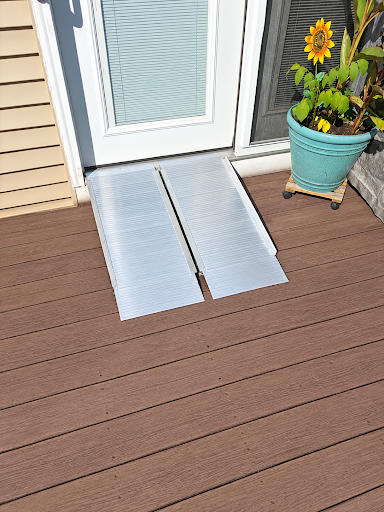
If outdoor steps are becoming difficult to manage, accessibility options such as additional handrails, ramps, or platform lifts may provide a more functional way to enter and exit the home.
Lighting for Shorter Days
With less daylight in the fall and winter, lighting becomes an important part of home accessibility.
Motion-activated lights and strategically placed nightlights can make it easier to navigate the home when natural light is limited.
Think about lighting based on when someone uses a space, not just whether the room has a light fixture. A bedroom-to-bathroom pathway during the day may need very different lighting than it does at night.
Stairs and Handrails
Take a close look at every staircase inside and outside the home. Make sure handrails are secure and positioned where they can provide meaningful support throughout the entire stairway.
Also consider whether the stairs are well lit and whether anything is obstructing the steps.
For someone who is having more difficulty managing stairs, a stair lift can provide another way to access different levels of the home without requiring a major change to the person’s daily routine.
Walkways and Flooring
Fall weather can bring wet shoes, leaves, and moisture into the home. Check entryways and frequently used pathways for loose rugs, clutter, cords, or other obstacles.
Make sure there is enough space to comfortably move through the home, particularly if someone uses a cane, walker, or wheelchair.
Pay attention to thresholds and changes in flooring, too. Even small changes in floor height can affect how someone moves between rooms or through an exterior doorway.
Bathroom and Shower Access
The bathroom is another important area to evaluate before the colder months arrive. Look at how easily you can get into and out of the shower or tub, stand while bathing, and move between the bathroom’s different surfaces.
Depending on individual needs, modifications may include:
- Strategically positioned grab bars
- A shower seat
- A handheld showerhead
- Non-slip surfaces
- A low-threshold or accessible shower
The goal is not simply to add products. Each modification should support a specific movement or activity within the person’s routine.
Get Your Home Ready Before Winter
Fall is an ideal time to identify accessibility changes before winter weather makes outdoor maintenance and home improvements more challenging.
Walk through your home with a simple question in mind: Does each space support the way I move through it today?
A well-informed approach looks beyond a simple checklist of potential hazards. It considers the person’s mobility, balance, strength, routines, equipment, and goals, along with the physical environment.
A seasonal home assessment can help identify practical changes, whether that means improving lighting, adding a handrail, modifying an entryway, or considering a larger accessibility solution.
Preparing your home for fall and winter is ultimately about creating an environment that supports comfort, confidence, and independence throughout the changing seasons.