
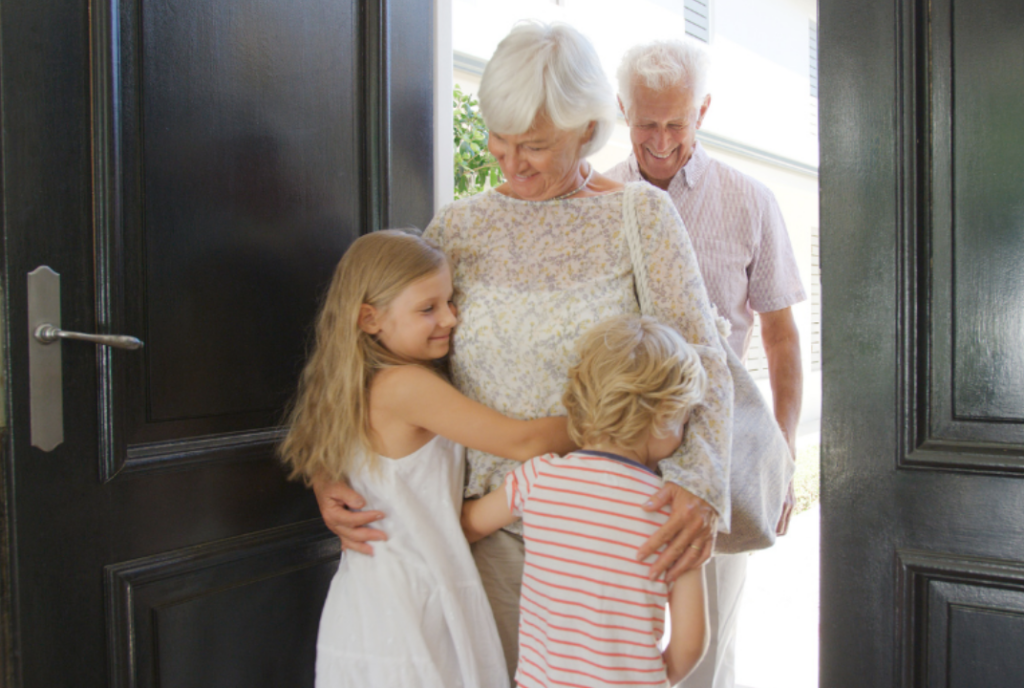
Hosting Aging Loved Ones for the Fourth? Home Safety Tips for Overnight Guests
The Fourth of July is a time for family gatherings, backyard barbecues, and making memories with loved ones. If you’re hosting aging parents or older relatives overnight, it’s also an opportunity to make sure your home is safe, comfortable, and accessible for their visit. While many homes work well for everyday living, temporary guests often…

How Heat and Humidity Can Impact Senior Safety at Home
As temperatures rise during the summer months, many older adults look forward to spending more time outdoors, visiting with family, and enjoying seasonal activities. However, heat and humidity can also introduce safety concerns that are often overlooked. Older adults are generally more vulnerable to heat-related illnesses and may have a harder time regulating body temperature…
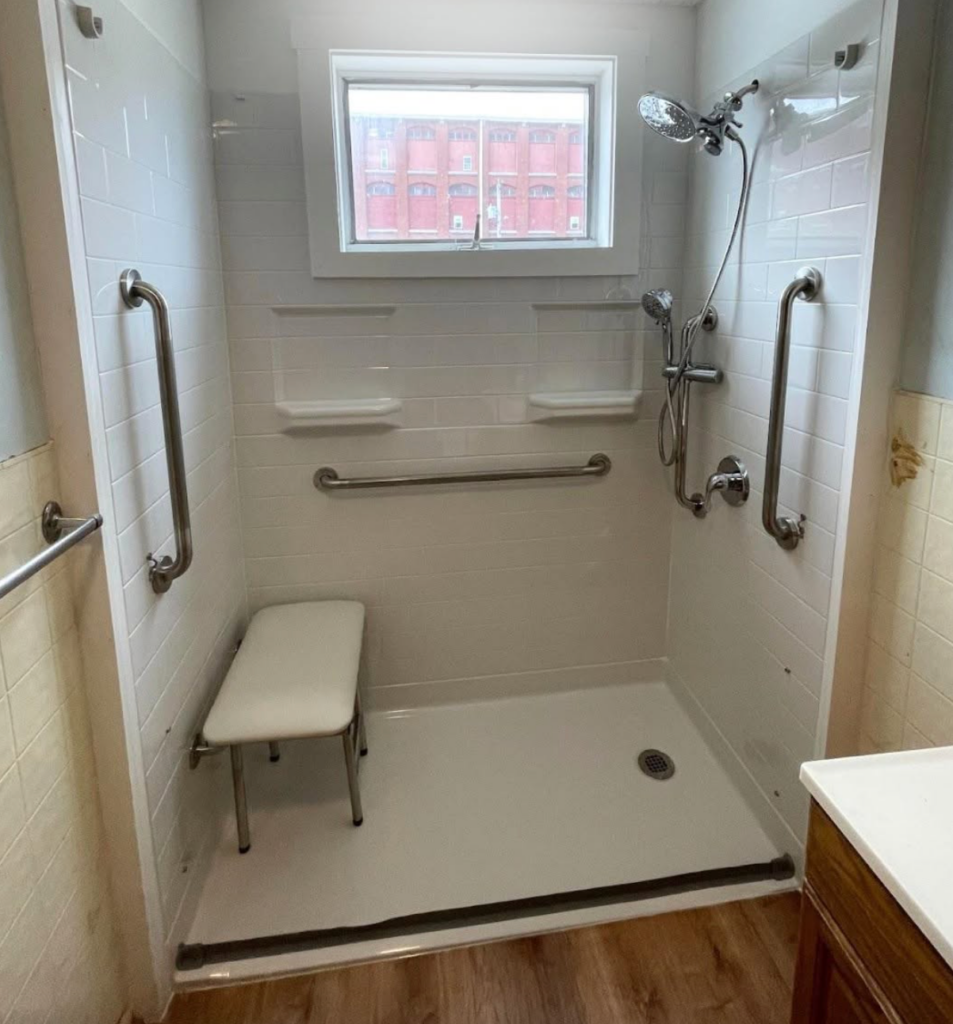
Bathroom Safety Modifications for Seniors Living with Memory Loss
June is Alzheimer’s and Brain Awareness Month, making it an important time to talk about home safety for older adults living with memory loss. While many families focus on medication management, supervision, and daily routines, one area of the home often deserves extra attention: the bathroom. Bathrooms are one of the most common locations for…
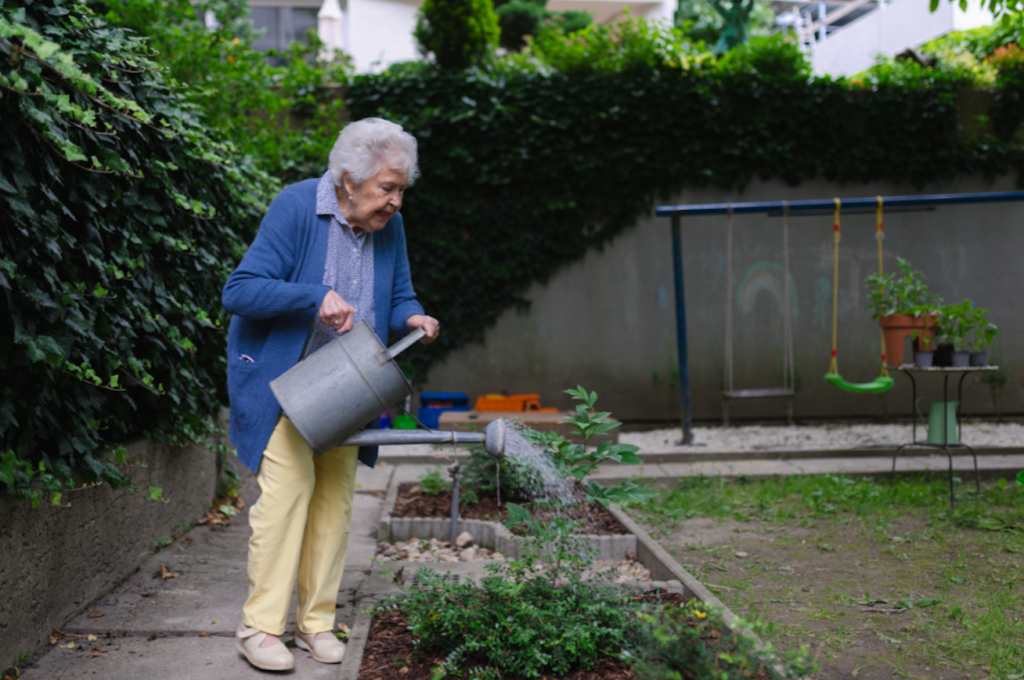
How to Make Decks, Patios, and Outdoor Walkways Safer for Seniors
Key Takeaways Outdoor environments often include hidden fall risks such as uneven surfaces and elevation changes Railings and lighting are essential for improving stability and visibility Accessibility solutions like ramps and grab bars can significantly improve safe navigation Threshold ramps help reduce trip risks at entry points between indoor and outdoor spaces Small adjustments like…

How to Tell if a Loved One Is Struggling With Mobility at Home
Key Takeaways Mobility changes often appear gradually and can be easy to overlook at first Early signs include slower movement, avoiding areas of the home, and relying on support surfaces Bathrooms, staircases, and entryways are the most common high-risk areas Near falls are a strong warning sign that safety concerns may be developing Addressing mobility…

Wheelchair Clearance for Garage: Designing an Accessible Garage Space
Key Takeaways Wheelchair clearance for garage spaces ensures freedom of movement and accessibility for all users. Key areas to focus on include doorway width, clear pathways, and storage space. Oakley Home Access offers tailored solutions to help modify your garage for wheelchair accessibility. Proper space planning is critical for a functional and accessible garage layout.…

Wheelchair Clearance for Hallways, Ramps, and Turning Areas
Key Takeaways Wheelchair clearance for hallways, ramps, and turning areas is crucial for safe and independent movement. Adequate wheelchair clearance space ensures accessibility and reduces the risk of accidents. Oakley Home Access provides customized design and installation services to enhance accessibility. Proper wheelchair clearance in these areas supports smooth transitions and greater autonomy. When designing…
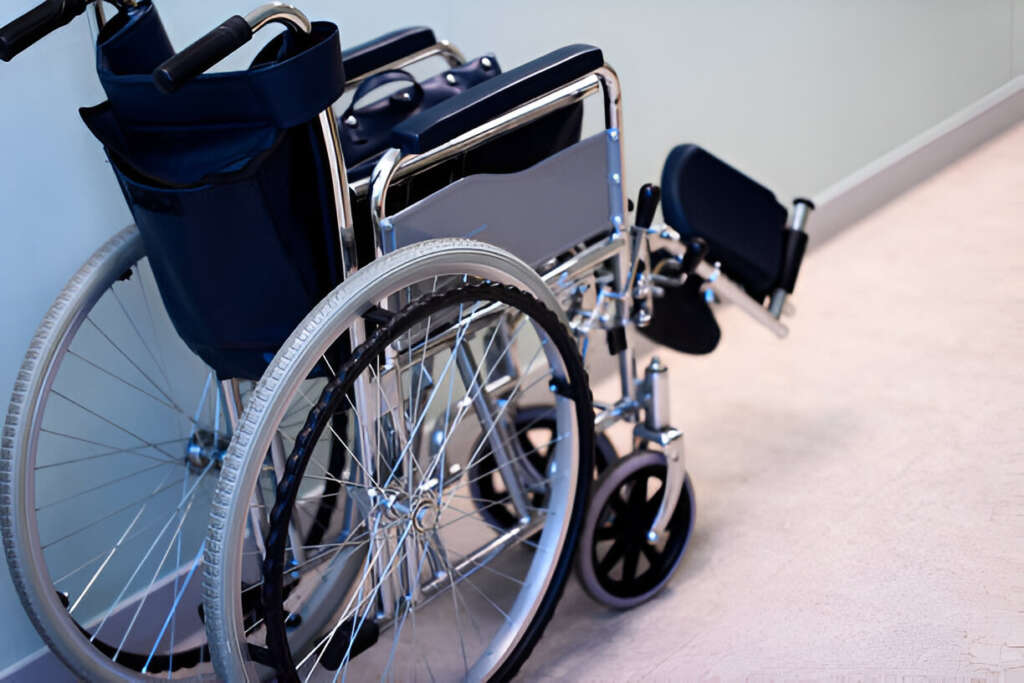
Wheelchair Clearance for Kitchens: Creating a More Accessible Layout
Key Takeaways Wheelchair clearance for kitchens ensures enough space for movement, making cooking and daily tasks easier. Key elements of a wheelchair-accessible kitchen include space around countertops, appliances, and sink areas. Oakley Home Access provides customized kitchen accessibility solutions for your home. Proper clearance dimensions and design considerations are essential for a functional kitchen layout.…

Wheelchair Clearance for Bathrooms: Space Needed Around Toilets, Sinks, and Showers
Key Takeaways Wheelchair clearance for bathrooms is essential for creating a safe and accessible bathroom environment. Adequate space around the toilet, sink, and shower ensures ease of use for wheelchair users. Oakley Home Access provides expert home safety consultation and installation services to optimize your bathroom layout. The recommended space measurements for wheelchair clearance around…

The Best Stairlifts for Seniors: A Comprehensive Guide
Key Takeaways Stairlifts for seniors offer a safe solution to mobility issues and help preserve independence. Key factors in choosing a stairlift include weight capacity, ease of installation, and customization options. Several types of stairlifts are available, including straight, curved, and outdoor models. Professional installation ensures the stairlift operates safely and effectively. As we age,…