
What Type of Stair Lift Is Best for a Multi-Level Home?
For many homeowners, the staircase is one of the most frequently used parts of the home. As mobility needs change, navigating multiple levels can sometimes require additional effort, particularly when carrying items, managing fatigue, or moving between floors several times throughout the day.
A stair lift can make different levels of the home more accessible, allowing individuals to continue using the spaces they enjoy without needing to limit how they live within their home.
Choosing the right stair lift starts with understanding both the layout of the staircase and the needs of the person who will be using it.
Key Takeaways
- Stair lifts can help individuals continue accessing multiple levels of their home safely and comfortably.
- The best stair lift depends on both the staircase layout and the individual’s mobility needs.
- Straight stair lifts are often ideal for standard staircases, while curved stair lifts are custom-built for more complex layouts.
- Split-level homes may require a combination of accessibility solutions depending on how the home is used.
- Outdoor stair lifts can help maintain access to patios, decks, gardens, and entryways.
- A professional home safety assessment helps identify solutions that support long-term independence and accessibility.
How Stair Lifts Support Aging in Place
For many homeowners, stairs are simply part of daily life. Over time, however, navigating multiple levels can become more physically demanding. Climbing stairs may require additional strength, balance, endurance, or concentration, particularly when carrying items between floors or making repeated trips throughout the day.
As a result, some individuals begin changing their routines to avoid stairs altogether. They may limit access to certain rooms, move daily activities to one floor, or rely on assistance from family members to retrieve items from other levels of the home.
Stair lifts may be particularly beneficial for individuals experiencing:
- Mobility limitations
- Balance concerns
- Arthritis
- Recovery from surgery
- Chronic conditions that affect strength or endurance
For many homeowners, maintaining access to every level of the home contributes to greater confidence, convenience, and independence in everyday life.
Straight Stair Lifts
Straight stair lifts are designed for staircases without turns, curves, or landings. For homes with a standard staircase, a straight stair lift can provide reliable access between levels while requiring minimal structural modifications.
Many straight stair lifts can be installed in a relatively short timeframe, making them a practical option for homeowners who are looking to improve accessibility quickly.

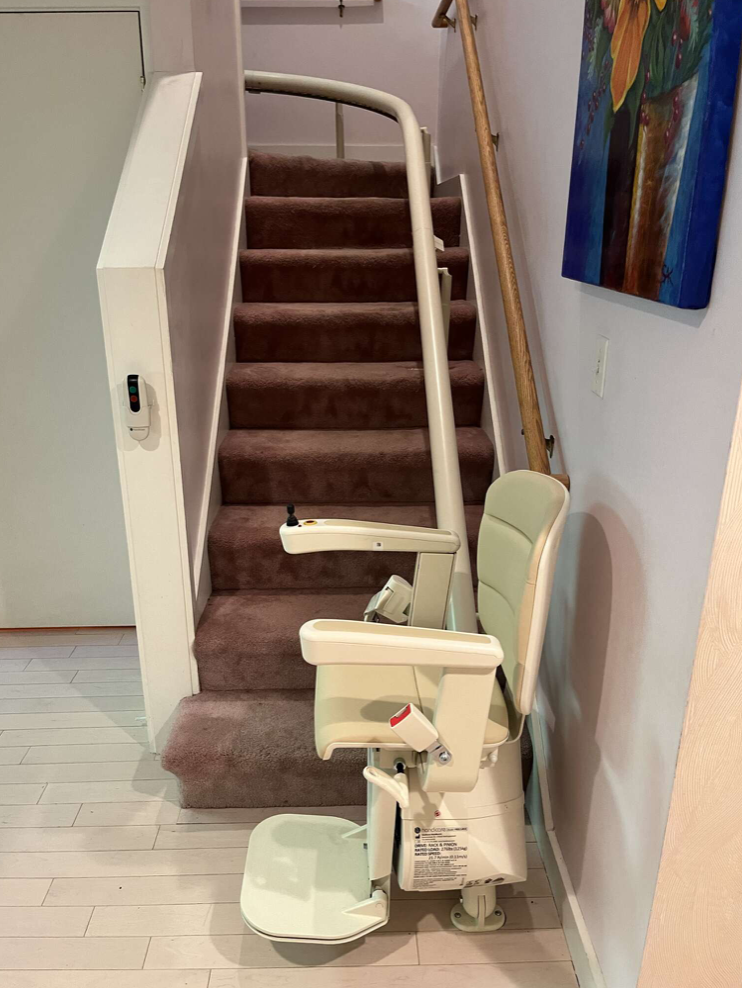
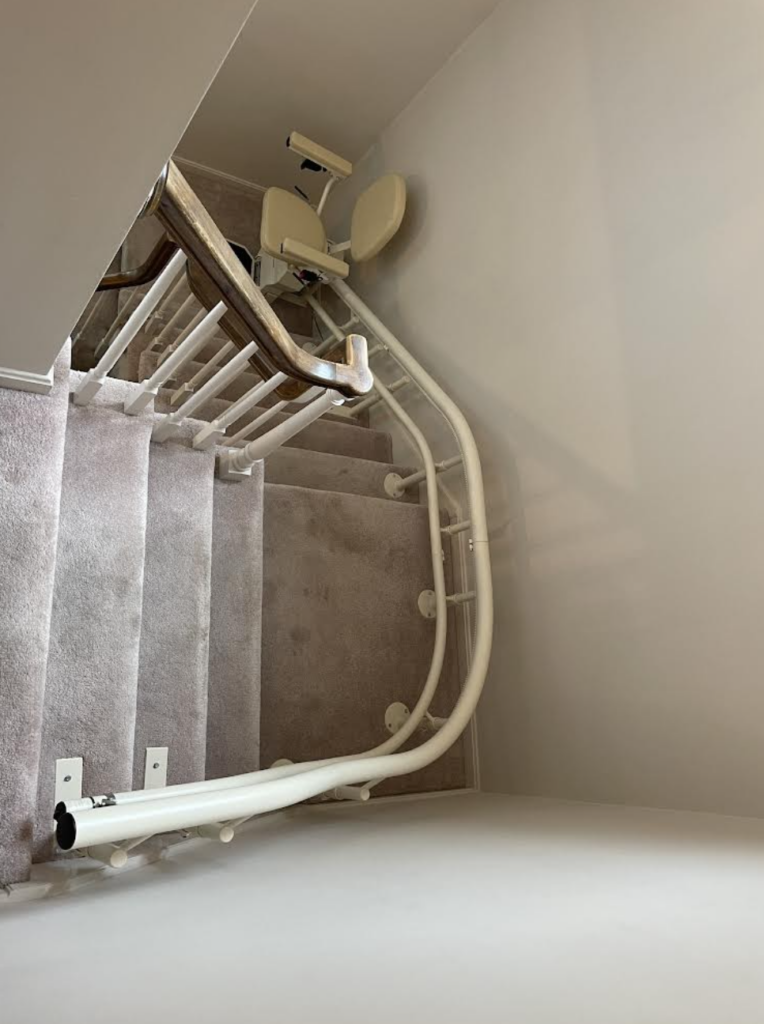
Curved Stair Lifts
Homes with more complex staircases often require a curved stair lift. These systems are custom-built to follow the exact shape of the staircase and can accommodate:
- Turns and corners
- Intermediate landings
- Spiral staircases
- Unique architectural layouts
Because every curved staircase is different, these lifts typically require additional planning, measurements, and manufacturing. The result is a solution tailored specifically to the home.
What About Split-Level Homes?
Split-level homes often present unique accessibility challenges because they may include several shorter staircases connecting different living areas.
Depending on the home’s layout, recommendations may include:
- A straight stair lift on one staircase
- Multiple stair lifts throughout the home
- A combination of straight and curved systems
- Additional accessibility modifications that improve movement between levels
This is one reason why an in-home assessment is so valuable. The best solution is often determined by how a person uses the home, not simply by the staircase itself.
OT Tip from Our Team
The best stair lift is not always determined by the staircase alone. A functional assessment helps ensure the chosen solution matches the individual’s mobility, transfer ability, and long-term goals.
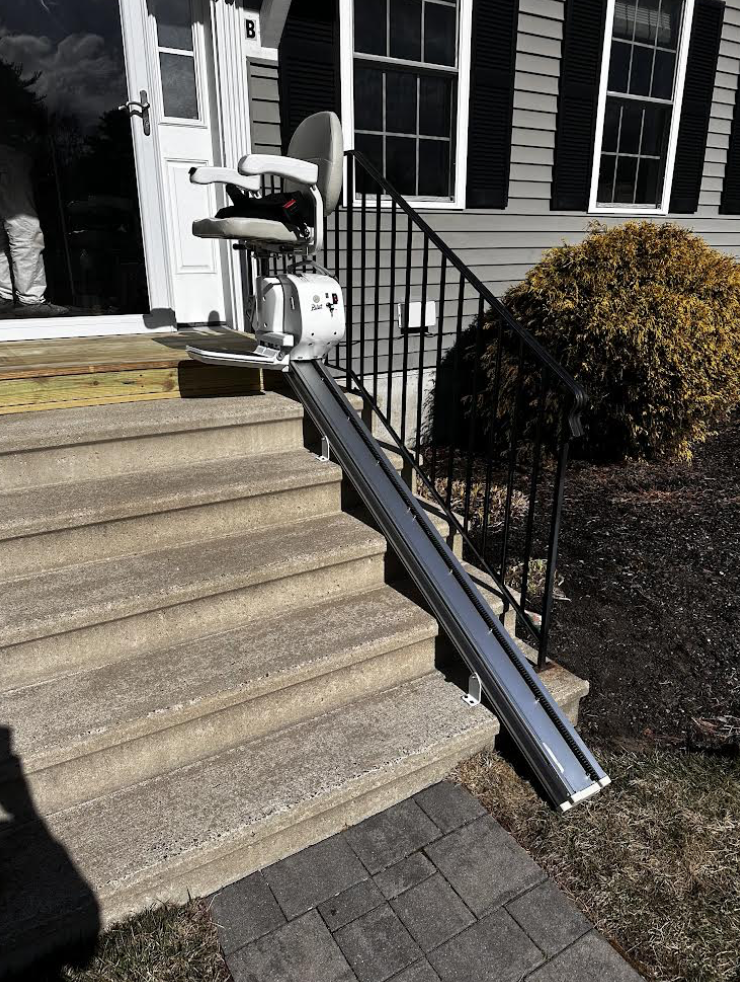
Don’t Overlook Outdoor Staircases
For homeowners who enjoy spending time outdoors, an outdoor stair lift can help maintain access to favorite gathering spaces, hobbies, and everyday activities without requiring significant changes to the home’s layout.
Exterior stairs leading to:
- Front entrances
- Back patios
- Decks
- Gardens
- Driveways
- Waterfront access points
Outdoor stair lifts are specifically designed to withstand changing weather conditions and are built with durable materials, weather-resistant components, and protective covers.
Important Safety Features to Consider
Many stair lifts offer optional features designed to improve comfort and ease of use.
Common features include:
- Swivel seats for easier transfers
- Folding seats and footrests
- Seat belts
- Obstruction sensors
- Battery backup systems
- Easy-to-use controls
The right combination of features depends on the individual’s mobility needs, preferences, and home environment.
Planning for the Future
Many homeowners begin researching stair lifts after noticing that stairs require more effort than they once did. Exploring options early often provides more flexibility and allows families to make thoughtful decisions without feeling rushed.
A solution that works today should continue supporting safety and independence as mobility changes over time.
Finding the Right Fit
Every home is different, and there is no one-size-fits-all solution. The best stair lift for your home depends on your mobility needs, staircase layout, and personal preferences.
At Oakley Home Access, our Occupational Therapists and accessibility specialists evaluate both the home and the individual to recommend stair lift solutions that support long-term safety, accessibility, and independence.