How to Make a Multi-Level Home Safer for Aging in Place
Many homeowners love the extra space a multi-level home provides. Separate living areas, additional bedrooms, finished basements, and second-story spaces often make these homes a great fit for families. As mobility changes over time, however, moving between floors may require a little more planning.
The good news is that aging in place doesn’t necessarily mean moving to a single-story home. With the right accessibility modifications, many people can continue enjoying every level of their home while maintaining the routines that are important to them.
Start With the Areas You Use Every Day
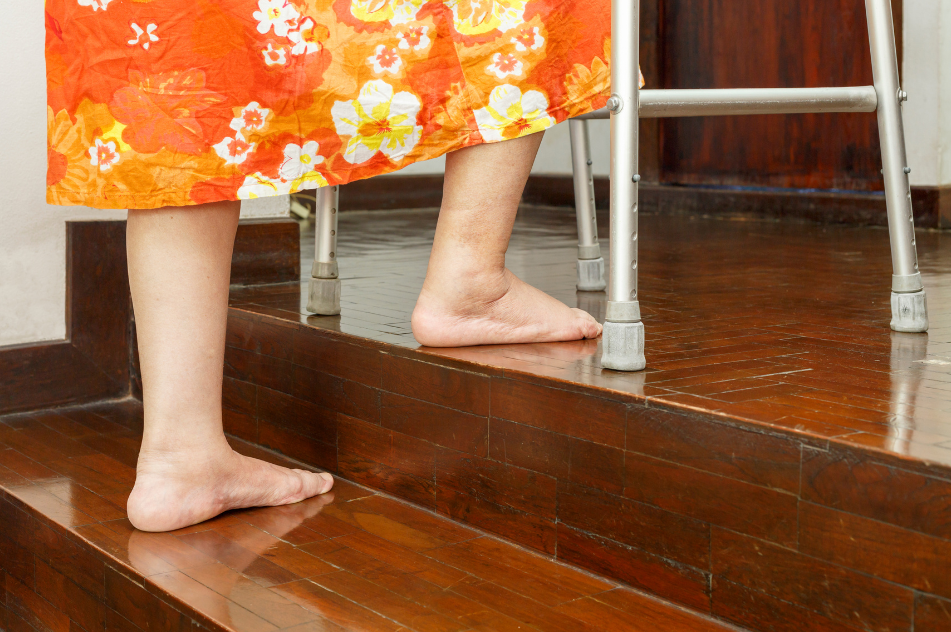
Not every staircase presents the same challenge. Think about how you naturally move through your home each day.
Ask yourself:
- Which floor do you spend the most time on?
- How often do you use the stairs?
- Are essential spaces, like the bedroom, bathroom, or laundry room, located on different levels?
- Do you avoid certain parts of the home because they’re becoming more difficult to reach?
Understanding your daily routines helps identify where improvements can have the greatest impact. Rather than recommending modifications based solely on the layout of your home, we take the time to understand how you use each space and which activities are most important to maintaining your independence.
Stairlifts Can Help You Continue Using Every Floor
For many homeowners, stairs become the biggest obstacle in a multi-level home. A stairlift offers a practical solution that allows people to safely travel between floors while continuing to enjoy the layout they’re familiar with.
Today’s stairlifts can often be installed on both straight and curved staircases and are designed to blend into the home’s existing layout with minimal disruption.
For someone who still enjoys every part of their home but finds stairs physically demanding, a stairlift can make daily movement feel much more manageable.
When a Stairlift Isn’t the Best Fit
A stairlift works well for many homeowners, but it isn’t always the right solution for every situation. Some people use a wheelchair or walker and would prefer to remain with their mobility equipment while moving between floors. In other homes, multiple family members have different mobility needs, making flexibility especially important.
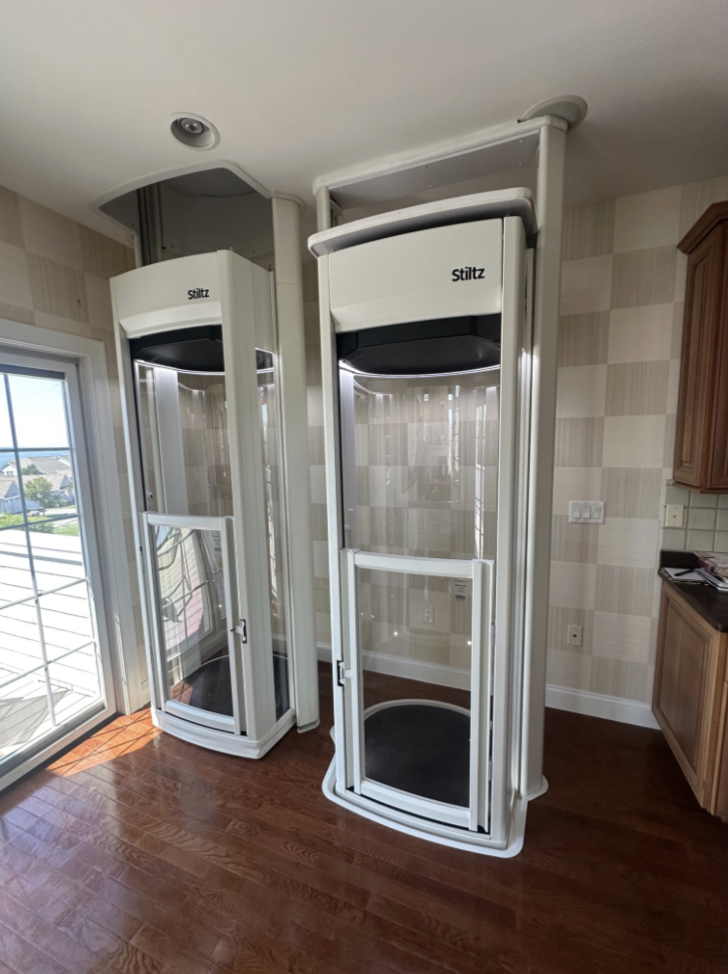
In these situations, a Stiltz Home Lift may be worth considering. Unlike a traditional residential elevator, a Stiltz lift doesn’t require a shaft, allowing it to be installed in many existing homes with far less construction than people often expect.
For homeowners thinking several years ahead, a home lift can also reduce the need to make additional changes later. As mobility needs evolve, the lift continues to provide access between floors without requiring someone to navigate the staircase or transfer into a stairlift seat.
The best solution isn’t always the one that addresses today’s challenge. It’s often the one that continues supporting your independence as your needs change over time.
Railings Are Often the First Step Toward Greater Confidence
For many homeowners, the staircase is part of everyday life. Whether you’re carrying laundry to another floor, bringing seasonal decorations out of storage, using a bathroom on a different level, or simply moving between living spaces, a well-designed railing provides reliable support along the way.
Over time, you may find yourself reaching for the railing more often than you used to. If it feels difficult to grip, doesn’t extend the full length of the stairs, or isn’t positioned where support would be most helpful, replacing or updating it can make navigating your home feel significantly more comfortable.
While railings may seem like a simple addition, they’re often one of the accessibility features homeowners use the most because they naturally become part of everyday routines.
Don’t Overlook Bathroom Accessibility
Bathrooms often require several different types of movement in a relatively small space. Stepping into a shower, reaching for toiletries, standing at the sink, or turning around with a walker all place different demands on the body.
Improving accessibility may include:
- Installing properly placed grab bars
- Replacing a traditional tub with a low-threshold or curbless shower
- Adding a comfort-height toilet
- Improving lighting throughout the space
- Creating additional room for walkers or other mobility equipment
Think About How Each Floor Functions
Rather than looking at each room individually, consider how the entire home works together.
For example:
- Is there a full bathroom on the main level?
- Would relocating the laundry room reduce the need to use stairs every day?
- Is there a bedroom available on the first floor if your mobility changes in the future?
- Are frequently used items stored where they’re easy to reach?
Sometimes small adjustments to how a home is organized can make daily life noticeably easier without requiring major renovations.
Pro Tip from Our OTR/L Team
Accessibility planning works best when it’s based on your routines, not just your home. Occupational therapists evaluate how you complete everyday activities, where challenges occur, and which modifications will provide the greatest benefit for your individual needs and goals.
Plan for the Future While You Have Options
Many accessibility projects begin after a surgery, injury, or health diagnosis. Planning ahead gives homeowners more flexibility and allows modifications to be completed on a timeline that feels comfortable rather than urgent. Simple improvements made today can continue supporting independence for many years to come.
Create a Home That Grows With You
Aging in place looks different for everyone. For some homeowners, it means installing a stairlift. For others, it may involve improving bathroom accessibility, adding railings, or making thoughtful updates throughout the home that make daily routines easier.
At Oakley Home Access, every recommendation starts with understanding how you live in your home today and how you’d like to continue living there in the future. Working alongside occupational therapists, we help homeowners identify practical accessibility solutions that support independence, improve safety, and preserve the comfort of staying in the place they know best.