Building a Long-Term Care Plan That Includes Your Home
Long-term care planning involves more than deciding who will provide support or how care will be paid for. It also means thinking about where you want to live and what changes may help you remain comfortable, safe, and independent as your needs evolve.
Long-Term Care Planning Month is an opportunity for older adults and their families to explore the resources, financial strategies, and home modifications that can make aging in place a realistic option. By planning ahead, you can make informed decisions about your home before changes in mobility or daily routines make those decisions more urgent.

Start With Your Long-Term Goals
The first step in planning is considering what you want your future to look like. Do you hope to remain in your current home? Are there spaces you want to continue using independently, such as your kitchen, bathroom, or outdoor patio? What daily activities are most important to you?
Thinking through these questions can help identify potential barriers and guide future decisions. Your needs may change over time, so it is helpful to consider not only what works today, but also what might make your home more functional in the years ahead.
Consider How Your Home May Need to Adapt
A home that works well now may become more challenging to navigate if your strength, balance, endurance, or mobility changes. Planning for accessibility early can give you more options and time to make thoughtful improvements.
Depending on your home and individual needs, modifications may include:
- Bathroom updates: Grab bars, shower seating, handheld showerheads, or a more accessible shower entry can make daily routines easier.
- Entrance improvements: Ramps, threshold modifications, or platform lifts can help accommodate walkers, wheelchairs, and other mobility needs.
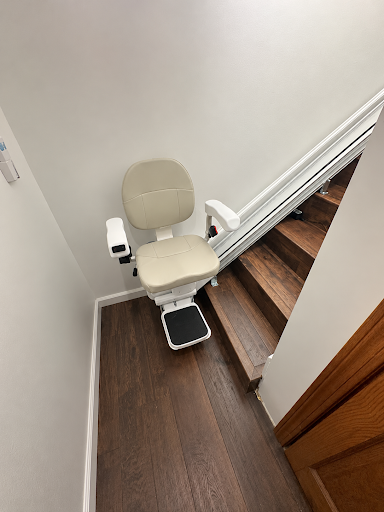
- Stair access: Improved lighting and handrails may help, while a stair lift or other access solution may be worth exploring when stairs become difficult to manage.
- Clearer pathways: Adjusting furniture layouts, improving lighting, and reducing obstacles can make it easier to move throughout the home.
Not every home needs the same modifications. The goal is to identify solutions that support your routines, abilities, and long-term priorities.
Include Home Accessibility in Your Financial Plan
Long-term care planning often involves reviewing savings, insurance, expected care expenses, and available community resources. Home modifications should be part of that conversation.
Some accessibility improvements may be relatively simple, while others, such as bathroom renovations, ramps, lifts, or structural changes, may require a larger investment. Identifying possible needs early gives you time to explore costs, prioritize projects, and determine which options fit your budget.
It can also be helpful to research whether any local programs, grants, or other financial assistance may be available. Eligibility and coverage vary, so confirm the details before building them into your plan.
Think About Caregivers and Support Systems
A long-term care plan should account for the people and services that may help you maintain your independence. Family members, friends, professional caregivers, and healthcare providers may all play a role as needs change.
Consider how your home layout could affect someone assisting with everyday activities, such as bathing, dressing, preparing meals, or moving between rooms. Adequate space, accessible bathroom features, and practical pathways can make routines more manageable for both the person receiving support and the caregiver.
It is also worth discussing your goals with family members before decisions need to be made quickly. Understanding your preferences can help everyone plan around what matters most to you.

Get Professional Guidance Before Making Changes
An occupational therapist (OT) can help evaluate how your abilities, daily routines, and home environment work together. This perspective can be especially valuable when deciding which modifications will make the biggest difference.
A functional home assessment can identify barriers, recommend practical improvements, and help establish priorities based on your current needs and future goals. Accessibility professionals can then help determine which solutions are appropriate for your home and how they can be implemented.
Planning with the right support can help you avoid investing in changes that do not fully address your needs.
Make Your Home Part of the Plan
Long-term care planning is about preserving choices. By considering home accessibility alongside financial preparation, caregiving support, and future care needs, you can take proactive steps toward remaining in a familiar environment for as long as it suits your circumstances.
At Oakley Home Access, we help individuals and families explore home modifications that support safety, comfort, and independence. Whether you are preparing for a future mobility change or addressing an accessibility challenge today, planning ahead can help you make informed decisions about the place you call home.