
Accessible Travel Tips for People with Mobility Challenges
Takeaways
- Plan ahead—Contact airlines, hotels, or hosts early and clearly communicate your accessibility needs.
- Travel smart with your device—Document your mobility aid, carry essential parts and extra battery/adaptor if applicable.
- Stay in accessible accommodations—Verify both the room and common areas meet your needs, not just labelled “accessible.”
- Communicate with hosts or hotel staff—Discuss layout, furniture, lighting, and possible quiet space ahead of time.
- Upgrade your mobility-readiness at home too—Whether travelling or staying local, home access needs matter; Oakley Home Access can help you with solutions.
Traveling with Mobility Issues
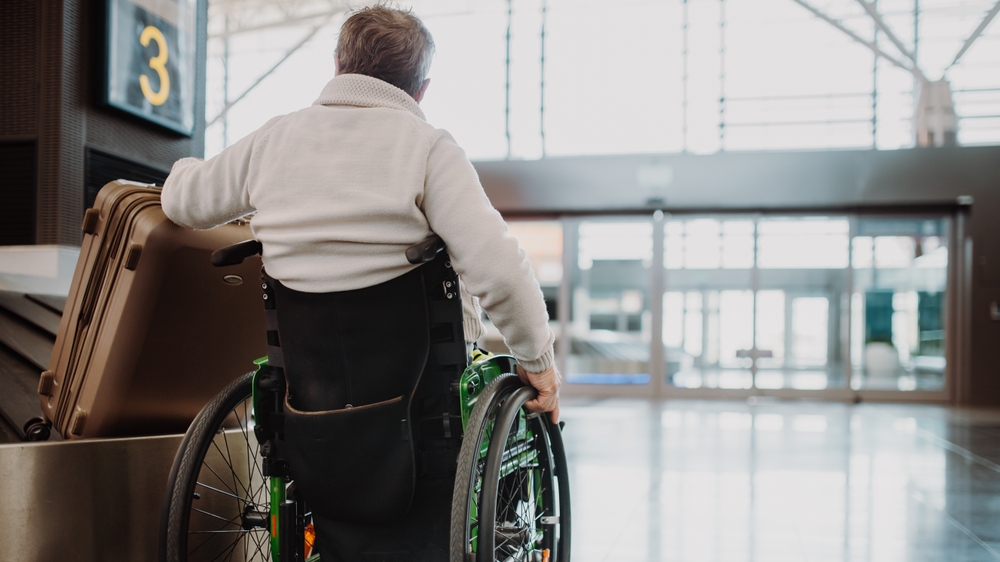
Travel during the holiday season can present unique challenges for individuals with limited mobility. Crowded airports, unfamiliar environments, and inconsistent accessibility standards often require additional preparation to ensure a smooth and comfortable journey. With proper planning, awareness of available resources, and the right mobility equipment, travelers can maintain safety and independence throughout their trip.
The Oakley Home Access team emphasizes the importance of maintaining accessibility both at home and while traveling. The following guidelines provide essential considerations to help individuals with mobility challenges plan and prepare effectively for safe, comfortable travel—during the holidays and throughout the year.
Airports & Airplanes
When your journey starts at the airport, your mobility needs should be part of the plan. Before your flight:
- Call your airline ahead of time to request any special assistance you require—wheelchair service, escort through security, boarding support.
- Arrive early. Many sources recommend extra time for travellers with mobility aids—sometimes two hours (domestic) or three hours (international) is just the baseline.
- At security, let the staff know you have a mobility device or medical equipment; you may request alternative screening or a private screening if needed.
- When it comes to checking wheelchairs or mobility devices: Keep a record of your device (make, model, battery type if applicable) and ensure it is tagged properly. It’s also wise to remove cushions, armrests, footrests if recommended and carry them with you.
- For seats: if you have specific seating needs (e.g., extra space, arm-rail removal, closer to restroom), request them when booking and again by phone if needed.
Staying With Family or Friends – Be Open About Your Needs
If you’re staying with hosts rather than at a commercial hotel, communication is key. Here’s how you and your hosts can make the stay more comfortable:
- Discuss whether furniture should be rearranged to accommodate your mobility device (wheelchair, walker, scooter).
- Ask whether a temporary ramp rental is needed for entrances, porches or bathroom thresholds.
- Review lighting (adequate brightness you can navigate safely), removal of rugs or clutter that create tripping hazards, and availability of chairs with arms or firm backs.
- If you experience sensory or social overload (common for many with mobility or other access issues), ask if there can be a quiet room or retreat space for when you need a break.
- Being upfront about your needs helps everyone relax and ensures your trip is enjoyable, not anxious.
If You’re Staying at a Hotel
Hotels and other commercial accommodations may offer accessible rooms—but many don’t have fully detailed information. When calling to book:
- Ask specifically for a “fully accessible room,” not just “an accessible room.” Inquire about roll-in showers, grab bars, wide doorways, bed height, reachable switches/outlets, and toilet/ramp accessibility.
- Confirm the hotel’s accessibility of common areas: lobby entrance, restaurants, elevators, restrooms, paths from parking or drop-off.
- If you require refrigeration for medications, visual alert systems (for hearing impairments), or other assistive features, mention these and get confirmation in writing.
- It’s wise to pick a room on a lower floor or where elevator access is straightforward, especially if walking or transferring may be tiring.
Mobility Aids & Portable Devices
When travelling, the right equipment matters—and portability, reliability and backup planning make a difference.
Consider:
- Bringing folding walkers, lightweight canes, compact mobility devices if you’re travelling light. These can supplement your standard aids while on the move.
- Ensuring you have spare parts, extra battery (if electric wheelchair or scooter), charger, adapter (especially for international travel) and a plan if your equipment is delayed or damaged.
- Label your equipment clearly with your name and contact info, and take photos before travel in case of damage.
- At Oakley Home Access, we offer home-access solutions that support mobility and travel readiness—even beyond the holidays. Contact our showroom or visit our website to learn more.
Contact Oakley Home Access – How We Can Help
At Oakley Home Access, our mission is to enhance safety, independence, and confidence for individuals with mobility challenges—both at home and beyond. Our team of certified specialists provides comprehensive accessibility solutions tailored to each person’s unique needs.
We offer professional home accessibility assessments, grab bars installations, ramp installations, stairlift and vertical platform lift solutions, and bathroom modifications designed to create safer and more functional living spaces.
If you’re preparing for travel or planning to welcome a loved one with mobility needs, we can also recommend portable accessibility products that make moving between locations easier and more secure.
Our experts can help you identify the right mobility aids for your daily routines and ensure your living environment supports continued independence. Contact us now!
Frequently Asked Questions
Q: How far in advance should I notify the airline about my mobility needs?
A: It’s best to contact the airline as soon as your booking is confirmed. Many disability-travel resources recommend calling directly (even after online booking) to ensure your special assistance is properly noted.
Q: What if my mobility device gets damaged or lost during flight?
A: Airlines are required to assist passengers with disabilities under laws such as the Air Carrier Access Act. Make a damage report before leaving the airport, photograph the issue, and ask about a temporary replacement device if needed.
Q: For hotel stays, what specific features should I ask about?
A: Ask about wide doorways, roll-in showers, grab bars, bed and toilet height, ramp or level entrance, reachable switches/outlets, and whether common areas (lobby, restaurant, parking lot) are accessible. Also check terrain around the hotel—steep slopes or cobblestones can make mobility harder.
Q: I use a manual wheelchair and a travel-sized walker—should I bring both?
A: Yes. Having backup or supplementary mobility aids can be very helpful. For example, you may use a walker or rollator when moving indoors or in accommodations, and your wheelchair for longer distances or airport movement. Make sure each device is properly tagged/labeled and that you have any necessary chargers or spare parts.