Accessibility Solution: Vertical Platform Lift
Every home should be a place of comfort, independence, and safety, not a place where stairs become barriers. For aging adults, families of children with special needs, or anyone recovering from injury, navigating multiple floors can be a daily struggle. Installing a vertical platform lift can be a game‑changer in transforming your home into a safe and accessible space for everyone.
In this guide, you’ll discover what vertical platform lifts are, how they work, and why they’re one of the most effective home accessibility solutions available, all explained in clear, reassuring language.
Key Takeaways
- Vertical platform lifts provide safe, reliable movement between levels without stairs.
- These systems support aging‑in‑place, wheelchair accessibility, and post‑event recovery.
- Compact designs make them ideal when ramps or elevators aren’t practical.
- Professionally installed lifts reduce fall risk and support long‑term independence.
What Is a Vertical Platform Lift?
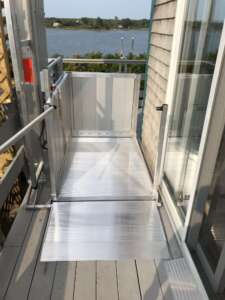
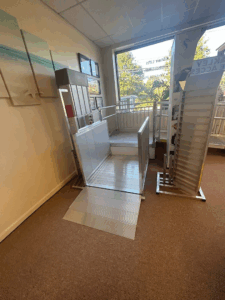
A vertical platform lift is a powered mobility system designed to move a person — standing or seated in a wheelchair — straight up and down between different heights in a home. It functions similarly to a small elevator but is purpose‑built for accessibility, not luxury.
Unlike traditional elevators, vertical platform lifts do not require a full shaft, deep pit, or overhead machine room. This makes them far easier to integrate into existing homes without major structural changes.
These systems are commonly installed at:
- Front or side home entrances
- Porches and decks with multiple steps
- Garage‑to‑home transitions
- Split‑level interiors
- Short indoor level changes
A wheelchair platform lift typically includes guard rails, non‑slip surfaces, pressure‑sensitive safety edges, emergency stop controls, and battery backup to ensure safe operation even during power outages.
For homeowners exploring available options, Oakley Home Access provides dedicated vertical platform lifts designed specifically for residential use.
Why Vertical Platform Lifts Matter for Home Accessibility
Mobility changes rarely happen on a convenient timeline. A fall, surgery, stroke, or progressive condition can suddenly turn stairs into a daily hazard. When that happens, families are often forced to make quick decisions under stress.
A residential vertical platform lift removes one of the most dangerous obstacles in the home: vertical travel without support. Instead of navigating steps — one of the leading causes of in‑home injuries — users move safely between levels using a stable, enclosed platform.
Research consistently shows that targeted home modifications significantly reduce fall risk and fear of falling. By eliminating stairs from daily movement, vertical platform lifts directly address one of the most common causes of injury among older adults and individuals with mobility impairments.
For caregivers, this means fewer physically demanding transfers and less risk of caregiver injury. For users, it restores confidence and autonomy — allowing full use of the home without relying on constant assistance.
Who Benefits Most from a Vertical Platform Lift?
Proactive Aging‑in‑Place
Many seniors recognize early warning signs: difficulty with stairs, balance concerns, or anxiety about nighttime trips through the home. Installing a vertical lift for aging in place before a fall occurs allows homeowners to remain independent while reducing future risk.
Rather than limiting themselves to one level of the home or facing rushed decisions after an injury, proactive homeowners maintain access to entrances, porches, and interior spaces safely.
This approach aligns with long‑term planning goals and supports staying at home longer — without sacrificing safety.
Post‑Event Recovery and Hospital Discharge
After a stroke, joint replacement, cardiac event, or serious fall, safe home access is often required before discharge. Stairs can delay discharge or increase the risk of re‑injury once home.
A vertical platform lift can be installed quickly in many cases, helping families meet discharge requirements while creating a safer recovery environment. By removing vertical barriers, patients can focus on healing rather than navigating hazards.
Families of Children with Special Needs
For families caring for children with mobility challenges, daily lifting becomes more physically demanding as a child grows. Over time, this increases the risk of caregiver strain and injury.
Vertical platform lifts provide durable, adaptable wheelchair accessibility solutions that support long‑term planning. Unlike temporary fixes, these systems grow with the family and reduce physical demands on caregivers.
Vertical Platform Lift vs Other Accessibility Options
Choosing the right home accessibility solution depends on space, mobility needs, and long‑term goals. Here’s how vertical platform lifts compare to other common options:
| Solution | Best Use Case | Key Limitation |
| Vertical Platform Lift | Limited space, short level changes | Height limits apply |
| Wheelchair Ramps | Gradual outdoor access | Requires significant space |
| Stair Lift | Seated users only | Not wheelchair accessible |
| Home Elevator | Multi‑story access | Higher cost, major construction |
For homeowners deciding between stair lifts or vertical platform lifts, this comparison explains which option best matches different mobility needs: stair lifts or vertical platform lifts.
A true home accessibility solution should be selected based on safety outcomes — not just convenience or cost.
Installation Process: What to Expect
The installation of vertical platform lifts follows a structured, safety‑first process designed to minimize disruption while ensuring compliance and reliability.
1. Home Assessment
A professional assessment evaluates layout, height requirements, user mobility needs, and environmental factors. This step ensures the lift is appropriate for both current and future use.
2. Solution Planning
The right lift model, placement, and configuration are selected. This includes indoor vs outdoor installation, platform size, entry orientation, and safety features.
3. Permitting and Compliance
Local building codes and accessibility standards are reviewed. Permits are obtained when required, ensuring the installation meets all safety and regulatory guidelines.
4. Professional Installation
Certified installers complete the installation with attention to cleanliness, respect for the home, and user safety.
5. Testing and Education
The system is fully tested, and users receive clear instruction on safe operation, emergency procedures, and maintenance expectations.
Each step is designed to reduce uncertainty and deliver a solution that works reliably from day one.
Evidence‑Based Benefits of Vertical Platform Lifts
Home accessibility modifications are strongly associated with improved safety, mobility, and quality of life. Public health research shows that environmental adaptations reduce falls and support independent living among older adults and people with disabilities.
Housing accessibility studies also highlight that very few U.S. homes are fully wheelchair accessible. This makes customized solutions like wheelchair platform lifts essential for creating functional, inclusive living environments.
As the population ages, vertical platform lifts are increasingly recognized as practical, cost‑effective alternatives to elevators, especially for homes with limited space or short vertical travel needs.
Taking the Next Step Toward a Safer Home
Choosing a vertical platform lift is not just about equipment — it’s about protecting independence, reducing risk, and supporting daily life at home.
If you’re considering this option, understanding the reason to install VPL can help clarify whether it fits your needs today and into the future.
If you’re planning long‑term, this resource explains how a vertical lift for aging in place supports safe independence over time.
When you’re ready, speaking with a home accessibility specialist can help you create a safety‑first plan tailored to your home, timeline, and mobility needs.
Get Expert Guidance for a Safer, More Accessible Home
Choosing the right accessibility solution can feel overwhelming — especially when safety, timelines, and long-term independence are at stake. Oakley Home Access is here to help you make confident, informed decisions.
Our team takes a safety-first, clinically informed approach to home accessibility. We start with a professional assessment, explain why a solution is recommended, and guide you through every step, from planning and permitting to installation and follow-up. Whether you’re preparing to age in place, supporting a loved one after a medical event, or planning for long-term wheelchair accessibility, you don’t have to figure it out alone.
Schedule a home accessibility assessment today and take the next step toward a safer, more independent home.
FAQs
- How much height can a vertical platform lift handle?
Most residential vertical platform lifts are designed for short‑to‑moderate vertical travel, typically up to 10–14 feet, depending on the model and local codes. - Are vertical platform lifts safe for daily use?
Yes. When professionally installed and maintained, they include multiple safety systems and are designed for regular, long‑term use. - Can a vertical platform lift be installed outdoors?
Yes. Many models are built specifically for outdoor use and include weather‑resistant materials and enclosures. - Will a lift work during a power outage?
Most systems include battery backup, allowing users to safely exit the lift if power is interrupted.
5. Is a vertical platform lift better than a ramp?
It depends on space, height, and mobility needs. In limited areas where ramps would be too long, vertical platform lifts often provide a safer and more practical solution.