
Why Suction Cup Grab Bars Are Not Safe for Real Fall Protection
Key Takeaways
-
Suction cup grab bars are not weight-bearing and should not be relied on for fall protection.
-
Professionally installed grab bars provide stable, long-term support during slips, transfers, and balance loss.
-
Proper grab bar placement is just as important as secure installation and should be based on real movement patterns.
-
Oakley Home Access offers free home safety assessments and expert grab bar installations across Massachusetts and Rhode Island.
When someone starts thinking about bathroom safety, suction cup grab bars often seem like an easy solution. They are inexpensive, widely available online and in big-box stores, and advertised as “no-drill” alternatives for added support. Unfortunately, this convenience comes with serious risks.
At Oakley Home Access, fall prevention is not about quick fixes. It is about real safety, proper support, and solutions that work when they are needed most. Suction cup grab bars do not meet those standards, and understanding why can help prevent serious injuries.
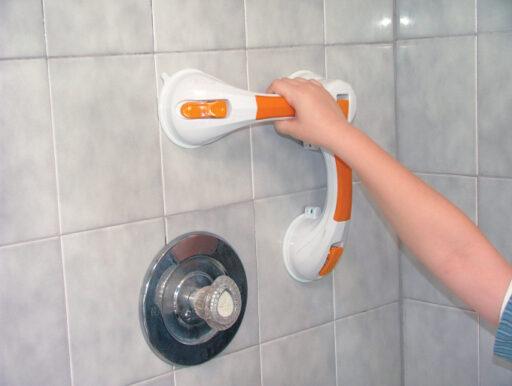
The False Sense of Security Suction Cup Grab Bars Create
One of the biggest dangers of suction cup grab bars is not just that they can fail, but that they appear stable at first. When initially installed, they often feel secure when lightly pulled. This gives users confidence to rely on them for balance or support.
However, most suction cup grab bars are clearly labeled by manufacturers as not weight-bearing. That means they are not designed to support a person during a slip, loss of balance, or fall. In a real emergency, when someone instinctively grabs the bar with full body weight, the suction can release instantly.
This false sense of security increases fall risk rather than reducing it.
Why Suction Cup Grab Bars Fail in Bathrooms
Bathrooms are one of the most challenging environments for suction-based products. Several factors contribute to suction cup failure:
Heat and Steam
Hot showers create steam that affects air pressure and adhesion. Over time, heat weakens the suction seal, even if the bar appears firmly attached.
Moisture and Condensation
Condensation builds up behind suction cups, breaking the vacuum seal. This can happen gradually without any visible warning.
Surface Limitations
Suction cup grab bars only work on perfectly smooth, non-porous surfaces. Even then, small imperfections, grout lines, or surface wear can compromise their hold.
Gradual Loss of Suction
Suction does not fail only at installation. It can loosen days or weeks later, meaning a grab bar that felt secure yesterday may detach without warning today.
When someone is stepping into or out of a wet tub or shower, there is no margin for failure.
What Happens When a Fall Occurs
Falls do not happen gently. They are sudden, unexpected, and forceful. During a slip, the body instinctively reaches for support, applying full body weight in a split second.
Suction cup grab bars are not engineered to handle this force. When they release, the user often falls harder because they were relying on the bar to stop their momentum. This can result in:
-
Head injuries
-
Hip fractures
-
Wrist and arm injuries
-
Back injuries
-
Loss of independence
For older adults or individuals with mobility challenges, a single fall can lead to hospitalization, long-term rehabilitation, or permanent changes in living arrangements.
The Difference Between Temporary Aids and Real Fall Protection
It is important to distinguish between products designed for light guidance and those designed for fall prevention.
Suction cup grab bars may be appropriate for:
-
Visual cues for hand placement
-
Temporary reminders of where to hold
-
Situations where no weight is applied
They are not appropriate for:
-
Balance support
-
Transfers in and out of tubs or showers
-
Toilet sit-to-stand assistance
-
Anyone with a history of falls
-
Anyone with weakness, dizziness, or limited mobility
Real fall protection requires equipment that is mechanically anchored and professionally installed.
Why Properly Installed Grab Bars Are Different
Professionally installed grab bars are secured directly into wall studs or mounted using specialized anchoring systems designed for safety applications. These bars are engineered to support full body weight and dynamic forces during a fall.
When installed correctly, they:
-
Provide reliable, weight-bearing support
-
Remain secure over time
-
Are placed at proper heights and angles
-
Support natural movement patterns
-
Reduce strain on joints and muscles
Just as important as the hardware itself is where and how the grab bars are placed.
Related blog: 7 Reasons to Consider Grab Bar Installation
Placement Matters More Than Most People Realize
A grab bar can be perfectly installed and still be ineffective if it is placed incorrectly. Height, angle, and location all play critical roles in safety.
At Oakley Home Access, placement decisions are based on how a person actually moves through their space. This includes:
-
Strength and balance levels
-
Range of motion
-
Medical conditions
-
Bathroom layout
-
Daily routines
This functional approach ensures grab bars support real-world use, not just code requirements.
The Role of a Holistic Home Safety Assessment
Every home and every individual is different. That is why one-size-fits-all solutions rarely work for fall prevention.
Oakley Home Access provides free home safety assessments led by a registered and licensed Occupational Therapist working alongside an experienced Rhode Island contractor. This team approach allows safety recommendations to be both clinically sound and structurally correct.
During an assessment, factors such as:
-
Fall history
-
Mobility limitations
-
Bathroom design
-
Entryways and stairs
-
Lighting and flooring
are evaluated together to create a personalized safety plan.
Why “No-Drill” Is Not a Safety Feature
Many people choose suction cup grab bars because they want to avoid drilling into tile or walls. While this concern is understandable, avoiding drilling should never come at the cost of safety.
Modern installation techniques allow grab bars to be installed cleanly, securely, and professionally without compromising bathroom aesthetics. More importantly, they provide the level of support needed to prevent serious injury.
When it comes to fall prevention, convenience should never outweigh reliability.
Choosing Safety Over Shortcuts
Suction cup grab bars are marketed as simple solutions, but they are not designed for real fall protection. They can detach without warning, especially in the hot, humid environment of a bathroom, and they often fail at the exact moment they are needed most.
True safety comes from:
-
Weight-bearing grab bars
-
Proper anchoring
-
Correct placement
-
Professional assessment
Oakley Home Access specializes in helping individuals age safely at home through thoughtful planning, expert installation, and personalized recommendations.
If bathroom safety or fall prevention is a concern, relying on products that are clearly labeled “not weight-bearing” is a risk not worth taking. A properly installed grab bar is not just a home upgrade—it is a critical safety feature that can protect independence, confidence, and quality of life.
Contact Oakley Home Access for Grab Bar Installations in Massachusetts and Rhode Island
When it comes to fall prevention, grab bars must do more than look secure — they must perform when it matters most. Oakley Home Access provides professionally installed, weight-bearing grab bars designed to support real-life movement, balance, and transfers.
Our team combines the expertise of a registered and licensed Occupational Therapist with an experienced Rhode Island contractor, ensuring every grab bar is placed intentionally and anchored correctly for long-term safety. From bathrooms and showers to hallways and entry points, installations are based on how you or your loved one actually moves through the home — not guesswork or generic templates.
If you are concerned about falls, aging in place, or bathroom safety, Oakley Home Access offers free home safety assessments throughout Massachusetts and Rhode Island to identify risks and recommend the right solutions for your space.
Frequently Asked Questions
1. Are professionally installed grab bars really safer than suction cup grab bars?
Yes. Professionally installed grab bars are mechanically anchored into wall studs or secured using specialized mounting systems designed for safety applications. Unlike suction cup grab bars, they are weight-bearing and built to support full body weight during slips, transfers, or loss of balance.
2. Where should grab bars be installed for the best fall protection?
Proper placement depends on the individual, not just the room. Grab bars may be needed near toilets, inside showers, at tub entries, or along transitions where balance is challenged. Oakley Home Access determines placement based on mobility, strength, range of motion, and daily routines — not just building codes.
3. Will grab bar installation damage my tile or walls?
No. When installed professionally, grab bars are mounted cleanly and securely with minimal impact to surrounding surfaces. The result is a durable, long-term safety solution that blends into the space while providing reliable support.
4. Do I need an assessment before installing grab bars?
While not required, a home safety assessment is strongly recommended. Oakley Home Access provides free assessments led by a licensed Occupational Therapist to ensure grab bars are not only installed correctly, but placed where they will actually reduce fall risk and improve daily function.