
How Much Space Does a Wheelchair or Walker Need in a Bathroom or Hallway?
Key Takeaways
- Wheelchairs require a 36″ minimum hallway width, with 42–48″ preferred for turning, and a 60″ turning radius in bathrooms.
- Walkers need at least 32–36″ of clearance for comfortable navigation.
- ADA-inspired home designs enhance accessibility, safety, and independence for seniors and individuals with limited mobility.
Creating accessible living spaces is more than comfort; it’s about preserving independence and reducing the risk of injury. Whether you or a loved one uses a wheelchair, walker, or simply wants to age safely in place, understanding clearance needs is crucial. At Oakley Home Access, we specialize in turning Rhode Island homes into safe, functional spaces that support mobility, starting with proper layout and spacing.
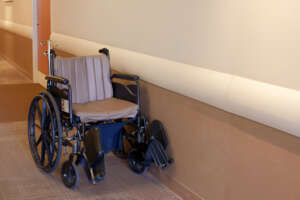
Understanding Wheelchair Clearance Requirements for Home Use
Although ADA standards are designed for public buildings, they provide a valuable framework for home modifications. Following these guidelines helps homeowners create accessible environments that are safer, more comfortable, and future-ready for mobility needs.
Everyday Clearance Needs for Wheelchairs and Walkers
When planning for home mobility, knowing the essential dimensions helps prevent strain and ensures ease of movement, especially in older homes with tight spaces. While these recommendations are drawn from ADA guidelines, they focus more on practical clearances used during real-world modifications.
Hallways
- Wheelchair: A minimum of 36 inches of clear hallway width is needed for safe passage; 42–48 inches is more comfortable for turning or two-way traffic.
- Walker: Requires about 32–36 inches for maneuverability.
In many Narragansett homes, especially coastal cottages, we’ve widened hallways to meet these comfort-driven dimensions, helping clients regain full access to bedrooms, bathrooms, and main living areas.
Bathrooms
Bathrooms require extra room for turning, transferring, and reaching fixtures:
- 60-inch turning radius (or T-shape turning space) for wheelchairs
- 48 inches of space beside the toilet for side transfers
- 30×48 inches in front of the sink for seated or frontal access
In these projects, we also often install grab bars, roll-in showers, and height-adjustable fixtures to ensure both safety and ease of use.
Doorways & Thresholds
- 32 inches is the minimum doorway width; 34–36 inches is ideal.
- Thresholds should be no more than ½ inch high to reduce fall risks. If thresholds exceed this, we recommend custom threshold ramps or beveled transitions.
The ADA Requirements for Homes
While the previous section focused on practical space needs in a home environment, the following outlines formal ADA requirements. These technical standards are especially useful for contractors, caregivers, or homeowners wanting to ensure their renovations meet professional accessibility guidelines.
Bathrooms
Accessible bathrooms benefit a wide range of individuals, including those with mobility impairments, balance issues, and temporary injuries. Here’s what to keep in mind:
- Bathroom Doors: Must have at least a 32-inch clear opening. To save interior space, doors should swing outward or slide.
- Handles: Should be operable with one hand—lever handles are preferred.
- Grab Bars: Installed at 33 to 36 inches above the floor, near the toilet, tub, and shower.
- Toilet Height: Must be 17 to 19 inches from the floor to seat top, providing easier transfers from a wheelchair.
- Sink Height: Max height of 34 inches, with open space beneath for seated use. Faucets should be lever, push, or touch-operated.
- Towel Bars & Cabinets: Should be no more than 48 inches high for ease of reach.
- Showers: Roll-in or low-threshold (1/2 inch max), with hand-held showerheads and shower seats.
- Bathtubs: Must allow for side transfer with grab bars and hand-held shower attachments.
Doorways
Doorway accessibility extends throughout the home, exterior and interior:
- Thresholds: Must not exceed ½ inch for regular doors and ¾ inch for sliding doors. Thresholds must be beveled if over ¼ inch.
- Handles & Locks: Must be operable with one hand, ideally between 34–48 inches above the floor.
- Opening Force: Interior doors must require 5 pounds or less to open.
- Sidelights and stoops should not obstruct entry or maneuvering space.
- Entry Stoops: Should be flush with the ground or connected via a safe ramp system.
Tips for Creating Mobility-Friendly Homes
Aside from structural changes, here are practical design tips to support wheelchair or walker users:
- Use pocket doors or barn-style sliding doors to free up space.
- Widen doorframes where possible during renovations.
- Position outlets and light switches lower (max 48 inches) for seated reach.
- Keep hallways and paths clear of obstacles, rugs, and uneven flooring.
- Install grab bars and safety rails in frequently used spaces.
- Schedule a free home safety assessment with Oakley Home Access to find the right combination of improvements.
Conclusion
Understanding wheelchair clearance requirements for home design is more than just following measurements, it’s about creating freedom of movement, safety, and dignity. Whether you’re modifying a bathroom, hallway, or doorway, implementing ADA-inspired dimensions ensures your home adapts with you, not against you.
Choose Accessibility & Independence with Oakley Home Access
At Oakley Home Access, we’re proud to help Rhode Island residents live safely and independently with thoughtful, practical home modifications. We take the time to understand your needs and apply proven standards to ensure every space is accessible and safe.
Schedule your free home safety assessment today to begin building a home that works for every stage of life.
Frequently Asked Questions
What is the minimum hallway width for a wheelchair?
A minimum of 36 inches is required, but 42–48 inches is ideal for comfort and full access.
What is the ADA recommended turning space in a bathroom?
A 60-inch turning radius is recommended to allow a wheelchair to turn freely.
Can a regular home bathroom be modified to be ADA-compliant?
Yes. With door widening, roll-in showers, wall-mounted sinks, and grab bars, Oakley Home Access can remodel most bathrooms for full accessibility.
Do ADA requirements apply to my home?
Not legally, but following them ensures safety, accessibility, and long-term usability, especially if you’re aging in place or living with mobility challenges.