
Choosing the Right Wheelchair Ramp for Your Home
When mobility needs change, installing a wheelchair ramp can make a huge difference in safety, comfort, and independence. One of the most common questions we hear at Oakley Home Access is whether it is better to build a wooden ramp or choose an aluminum modular ramp. While both offer accessibility, aluminum ramps consistently give homeowners better value, flexibility, and long term reliability. This guide breaks down the differences so you can choose the option that truly supports your lifestyle.
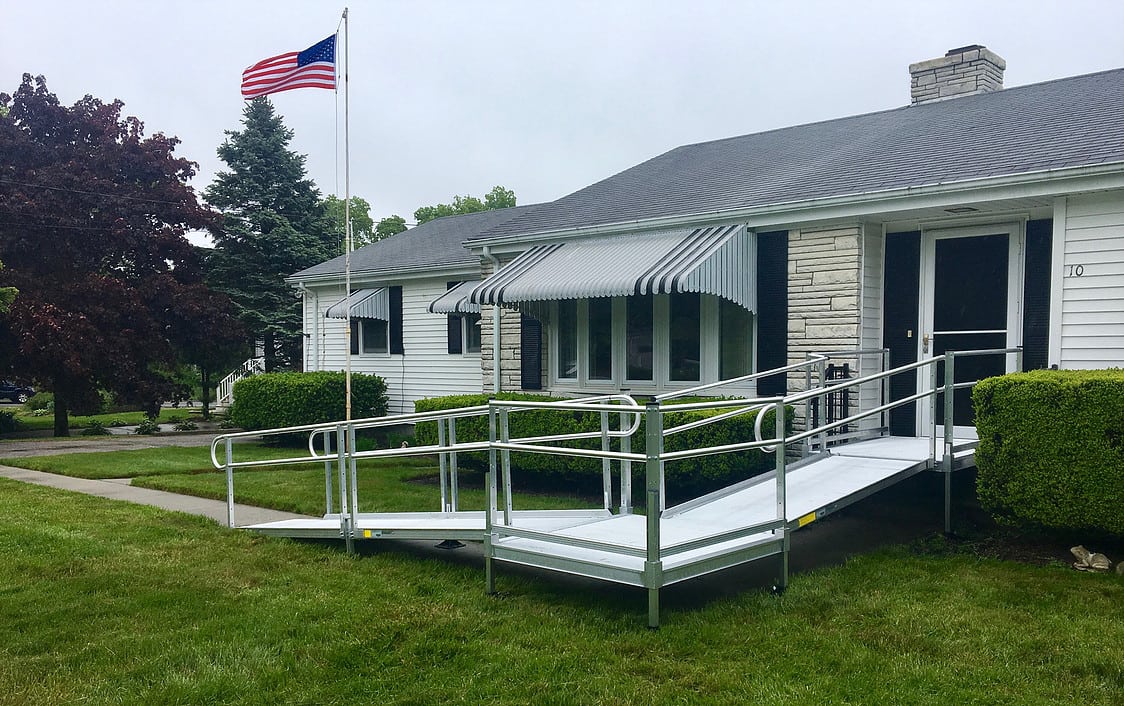
aluminum ramps installed by Oakley Home Access
Key Takeaways
-
Aluminum ramps install quickly, usually within one to three hours
-
No concrete footings are required for most aluminum ramp systems
-
Aluminum provides better traction and safety in various weather conditions
-
Maintenance is minimal compared with wooden ramps
-
Aluminum ramps can be removed, stored, and moved to a new home
-
Many aluminum ramps come with lifetime warranties
-
Oakley Home Access offers rental ramps for short-term or transitional needs
Why Aluminum Ramps Are the Better Choice
Simple and Fast Installation
Aluminum ramps are designed as modular systems, which means they can be adjusted for almost any layout. You can choose straight runs, platforms, or add sections to fit the space perfectly.
Our technicians typically install aluminum systems in one to three hours. This quick turnaround is especially helpful if you are coming home from a hospital stay, recovering from an injury, or need accessibility right away. We also keep rental ramps in stock, which gives families even more flexibility when time is limited.
Does Adding a Ramp Count as a Home Renovation?
That depends on the type of ramp you choose.
Wooden Ramps
A wooden ramp usually requires concrete footings and a building permit. Once the ramp is built, it often needs to pass inspection. If anything does not meet code, sections may need to be rebuilt or removed.
Aluminum Ramps
Aluminum ramps typically do not need concrete footings and often do not require a building permit. This reduces cost and avoids delays, making them much easier to install when you need safe access quickly.
Planning to Move? Aluminum Gives You More Flexibility
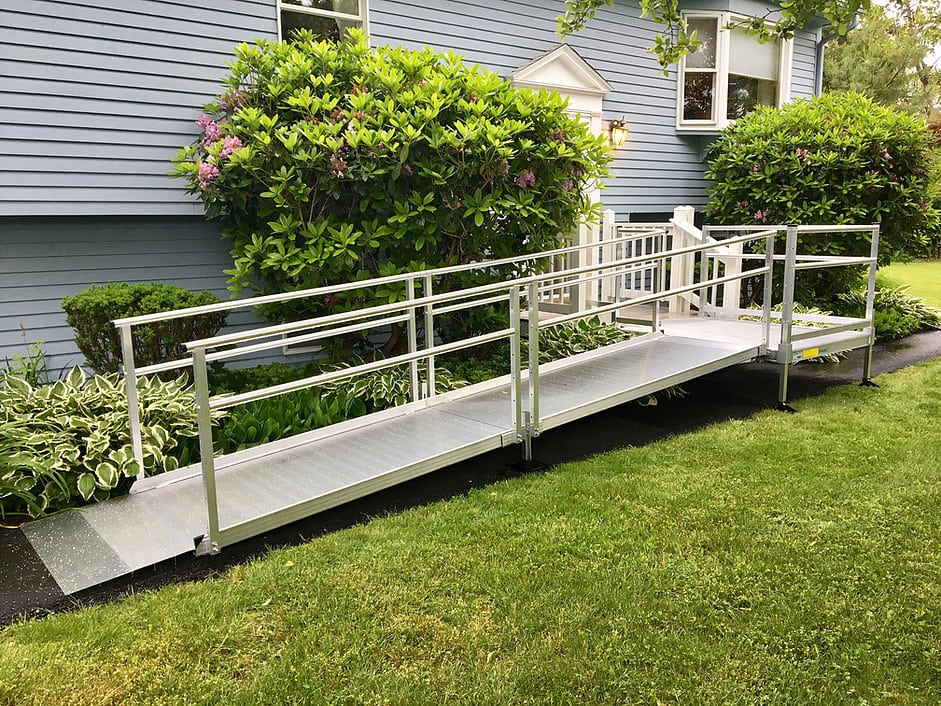
aluminum wheelchair ramps
A major advantage of aluminum ramps is that they can move with you. If you rent your home, expect to relocate in the future, or simply want the option to remove the ramp one day, aluminum is the practical choice. It can be taken down, transported, and reinstalled wherever you live next. Wooden ramps are permanent structures and extremely difficult to remove, which makes them impractical for temporary or transitional situations.
Safer in All Types of Weather
Aluminum ramps are built with a textured surface that provides excellent traction for wheelchairs, walkers, and caregivers. This design keeps you safer on days when rain, wind, or cold temperatures make surfaces slippery.
While you can add non slip tape to a wooden ramp, it eventually wears down, lifts, and needs replacing. With aluminum, the traction is built in and made to last.
Maintenance Requirements
Wooden ramps require regular upkeep such as painting, sealing, termite checks, and repairs after weather exposure. You may also need to replace non-slip strips over time.
Aluminum ramps require very little care. Most of the time, a quick rinse is enough to keep them clean. If you use pet-friendly ice melt in the winter, rinsing the surface at the end of the season will help preserve the finish. Many aluminum systems come with lifetime warranties on key components, giving homeowners peace of mind for years to come.
Storage and Reusability
A wooden ramp becomes a permanent part of the home and cannot be removed or stored. If your needs change, the ramp must stay where it is.
Aluminum ramps offer complete flexibility. You can remove them, store them, reconfigure them, or move them to a new home. If your layout changes or you only need a temporary access solution, aluminum provides options that wooden ramps simply cannot match.
Contact Oakley Home Access for Wheelchair Ramp Installations in Rhode Island, and Connecticut
If you are considering a wheelchair ramp for your home, our team is here to help you make the safest and most cost-effective choice. We will walk you through your options, explain what fits your layout, and install your ramp quickly and professionally. Schedule your Free Home Safety Assessment today and take the next step toward a safer, more accessible home.
FAQs About Wheelchair Ramps
Which type of ramp lasts longer?
Aluminum ramps last significantly longer because they resist rot, moisture, and weather damage. Wooden ramps deteriorate over time and require ongoing maintenance.
Can aluminum ramps be used temporarily?
Yes. Aluminum ramps are ideal for temporary, short-term, or transitional needs. They can be installed and removed easily.
Are aluminum ramps safe for caregivers and wheelchair users?
Absolutely. Their textured surface provides reliable traction, even in wet or cold conditions.
How quickly can Oakley Home Access install a ramp?
Most installations take one to three hours, depending on the layout and configuration. Rental ramps are also available for urgent needs.
Do I need a building permit for a modular aluminum ramp?
Most aluminum ramps do not require a permit. Wooden ramps often do. Requirements may vary depending on your town or city.