
Difference Between A Lift and An Elevator: What to Know
When researching home accessibility solutions, many homeowners use the terms lift and elevator interchangeably. While they are often similar, there are important distinctions that can affect installation, functionality, and long-term comfort.
At Oakley Home Access, homeowners frequently ask about the difference between an elevator vs lift when planning for mobility, aging in place, or wheelchair accessibility. Understanding how these systems compare helps you choose the right solution for your home and future needs.
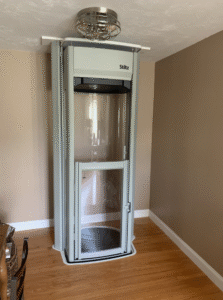
Are “Lift” and “Elevator” the Same Thing?
In everyday conversation, the terms are often used to describe the same equipment. However, the difference usually comes down to:
- Regional language
- System design
- Capacity and use case
- Level of structural modification required
In the United States, “elevator” is the more common term. In the UK and other regions, “lift” is typically used instead. That said, in residential accessibility discussions — especially when referencing established home accessibility guidelines — the terms can also reflect slightly different system types.
What Is an Elevator?
An elevator is a fully enclosed vertical transportation system designed to move people or goods between floors. Traditional elevators often require:
- A shaft
- A machine room
- A pit below the unit
- More structural modifications
Residential elevators today, however, can be far less invasive than commercial systems. Modern home elevators are designed to install with minimal disruption while still offering smooth, quiet, and reliable vertical travel.
When an Elevator Is the Right Choice
A home elevator is ideal for:
- Multi-story homes
- Aging-in-place planning
- Long-term mobility solutions
- Wheelchair accessibility
- Increasing home value
Elevators are typically seen as a permanent, long-term accessibility investment.
What Is a Lift?
A lift, in residential terms, often refers to a more compact vertical platform or mobility system. Depending on the type, it may:
- Have a smaller footprint
- Travel shorter distances
- Require less structural change
- Focus primarily on mobility assistance
Some lifts are platform-based (such as wheelchair lifts), while others are shaft-less residential elevators that operate on self-supporting rails.
When a Lift May Be Ideal
A lift may be best for:
- Limited space installations
- Single-user mobility needs
- Homes with moderate accessibility requirements
- Situations where minimal construction is preferred
In many modern homes, what is marketed as a “lift” functions very similarly to a compact home elevator.

Elevator vs. Lift: What’s the Difference?
While the terms “elevator” and “lift” are often used interchangeably, they can refer to different types of home accessibility solutions depending on design, structure, and intended use.
Installation Requirements
A home elevator typically requires a shaft, pit, and dedicated space within the home’s structure. Because of this, installation may involve more extensive planning and construction.
Lifts, especially platform or shaftless models, often require fewer structural modifications and can be installed in tighter spaces. They are sometimes a more practical option for retrofitting existing homes.
Space and Design
Elevators usually feature a fully enclosed cabin and provide a more traditional look and feel. They are designed to travel between multiple floors and accommodate larger capacities.
Lifts generally have a smaller footprint and may be more compact in design. They are ideal for short vertical travel or homes with limited space.
Long-Term Accessibility
For homeowners planning to age in place or accommodate wheelchair users, elevators often provide greater flexibility and long-term convenience.
Lifts can effectively meet specific mobility needs but may be better suited for targeted access between two levels rather than full-home transportation.
Best Use Cases
An elevator is often the preferred solution for multi-story homes where comfort, capacity, and long-term accessibility are priorities.
A lift may be the right choice when space is limited, structural modifications must be minimal, or the accessibility needs are focused on a specific area of the home.
Which Option Is Better for Your Home?
There isn’t a one-size-fits-all answer. The best system depends on:
- Current mobility needs
- Future accessibility planning
- Home layout
- Budget considerations
- Desired aesthetics
Modern residential elevators and lifts are both designed to integrate seamlessly into existing homes. The key is selecting a solution that supports independence without overwhelming your space.
Why Professional Assessment Matters
Choosing between a lift and an elevator involves more than comparing features. A professional home evaluation ensures:
- Proper placement
- Safe installation
- Code compliance
- Long-term functionality
Working with an experienced accessibility provider helps prevent costly adjustments later.
Contact Oakley Home Access for Home Elevator Services in Massachusetts
If you’re weighing the difference between a lift and an elevator, expert guidance makes the decision much easier. Oakley Home Access provides professional consultations to help homeowners choose the right accessibility solution for their needs.
Whether you’re planning for aging in place or improving mobility today, the right system can restore comfort and confidence throughout your home.
Schedule a consultation and contact us today to explore the best accessibility solution for your home. Accessibility should evolve with you — and the right solution ensures every level of your home remains fully usable.
FAQs About Lifts and Elevators
-
What is the main difference between an elevator and a lift?
The primary difference is terminology and system type. Elevators are often fully enclosed systems designed for multi-floor travel, while lifts may refer to smaller or more compact mobility solutions.
-
Are lifts cheaper than elevators?
In some cases, lifts may cost less due to smaller size or reduced structural requirements. However, pricing depends on installation complexity, home layout, and customization.
-
Can both lifts and elevators be installed in existing homes?
Yes. Many modern systems are designed specifically for retrofitting into existing homes with minimal structural changes.
-
Which option is better for wheelchair users?
Both can accommodate wheelchair users, but full residential elevators often provide more interior space and long-term flexibility.
-
Do lifts add value to a home like elevators do?
Both can increase accessibility and desirability, especially for buyers planning for aging in place. Elevators may have a stronger impact on resale value in multi-story homes.