
Back to Basics: Bathroom Safety
The bathroom is one of the most frequently used spaces in the home — and one of the most dangerous. Wet surfaces, tight layouts, and hard fixtures create a high-risk environment for slips and falls, especially for older adults, individuals recovering from injury, and children with mobility challenges.
This guide brings bathroom safety back to basics. You’ll learn why bathrooms pose such a high fall risk, what practical changes make the biggest difference, and how a safety-first approach can protect independence, dignity, and daily routines without turning your home into a medical space.
Key Takeaways
- Bathroom falls are common, predictable, and often preventable with the right modifications.
- Small, targeted safety upgrades can significantly reduce fall risk and caregiver strain.
- Proper installation matters more than the product itself when it comes to safety.
- A thoughtful bathroom safety plan supports aging in place, recovery, and long-term mobility needs.
Why Bathroom Safety Matters More Than Any Other Room
Bathrooms combine three major fall-risk factors: water, movement, and confined space. Stepping into a tub, transferring on and off the toilet, or standing on wet tile requires balance and strength — both of which can change with age, injury, or disability.
According to the Centers for Disease Control and Prevention, falls are the leading cause of injury among older adults, and a significant portion of these incidents occur in bathrooms. Research published in peer-reviewed public health journals shows that targeted home modifications can meaningfully reduce fall risk and fear of falling, particularly in high-risk areas like bathrooms.
For caregivers, bathroom-related falls often lead to emergency room visits, hospital stays, and long recovery periods. For families planning ahead, improving bathroom safety is one of the most effective ways to reduce the likelihood of a crisis.
Understanding Bathroom Fall Risks

Falls in the bathroom rarely happen at random. They tend to occur during predictable moments:
- Stepping over a tub wall
- Turning on wet tile floors
- Sitting down or standing up from the toilet
- Reaching for towels or fixtures without support
Common contributors include poor lighting, slippery flooring, low toilet height, and the absence of stable handholds. Addressing these risks systematically is the foundation of effective bathroom fall prevention.
Bathrooms are also used multiple times per day, often when people are tired, rushed, or navigating in low light. These everyday conditions increase the likelihood of slips — which is why bathroom safety improvements are considered one of the highest-impact senior safety home modification strategies.
Bathroom Safety Basics That Make the Biggest Impact
When it comes to reducing falls, bathroom safety is not about doing everything at once — it’s about focusing on the changes that deliver the greatest safety improvement for everyday use. The most effective upgrades address moments of transition, such as stepping, sitting, standing, and turning, where balance is most vulnerable.
The strategies below are considered high-impact because they directly reduce fall risk, support natural movement, and adapt to changing mobility needs over time. When selected and installed correctly, these basics form the foundation of a safer bathroom without unnecessary complexity.
Grab Bar Installation: Why Placement and Anchoring Matter
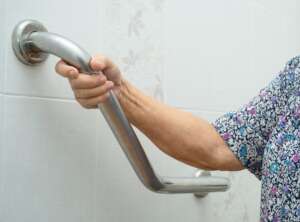
Grab bars are one of the most effective tools for preventing falls in the bathroom, but only when installed correctly. Contrary to popular belief, suction cup grab bars not safe for weight-bearing support. They can detach without warning and should never be relied on during transfers.
True safety comes from securely anchored grab bars that are professionally mounted into wall studs or reinforced blocking. Proper placement near toilets, showers, and tubs provides reliable support during sitting, standing, and stepping movements — the moments when falls are most likely.
Professionally installed grab bars are customized to the user’s height, strength, and movement patterns, making them far more effective than generic, off-the-shelf options.
Non-Slip Bathroom Floor Treatment
Wet tile is a leading cause of bathroom falls. A professional non-slip bathroom floor treatment increases traction without changing the appearance of the space. This is especially helpful for homeowners who want meaningful safety improvements without a full renovation.
This solution works well in showers, tub floors, and main bathroom walking paths — areas where slipping risk is highest.
Shower Access and Seating
Stepping over a tub wall is one of the most hazardous movements in the bathroom. In many cases, shower door removal paired with a low-entry shower dramatically improves safety and ease of use.
Upgrading to barrier free showers removes the need to step over a threshold entirely, reducing fall risk while improving accessibility for walkers, wheelchairs, and caregivers.
Adding a properly fitted shower chair allows users to bathe while seated, conserving energy and maintaining balance. Chairs should always be paired with anchored grab bars for safe transfers.
Low Toilet Seat Solutions
Standard toilets are often too low for individuals with limited leg strength, arthritis, or joint pain. Low toilet seat solutions, such as raised toilet seats or comfort-height toilets, reduce strain during sitting and standing.
When combined with grab bars, these upgrades significantly reduce daily effort and help prevent backward or sideways falls.
Bathroom Lighting Improvements
Poor visibility increases fall risk, especially during nighttime bathroom trips. Strategic bathroom lighting improvements, including brighter overhead lighting and motion-activated night lights, help users navigate safely without rushing or straining balance.
Lighting upgrades are a simple but powerful component of bathroom safety tips that support independence at all hours.
Designing a Safer Bathroom Without Making It Feel Clinical
Many families worry that safety upgrades will make their bathroom feel institutional. In reality, modern accessibility solutions blend safety with comfort and aesthetics.
Resources like senior friendly bathroom designs show how thoughtful layouts, discreet safety features, and clean design choices can create a space that feels welcoming — not medical.
The goal is a bathroom that supports daily routines naturally, without drawing attention to mobility challenges.
Who Benefits Most from Bathroom Safety Upgrades?
Bathroom safety improvements are not one-size-fits-all, but they are highly effective across a wide range of life stages and care situations. Whether changes are planned proactively or made in response to a health event, targeted upgrades can reduce risk, ease daily routines, and support both users and caregivers. The groups below tend to see the greatest benefit because bathroom use involves frequent transfers, balance, and fatigue, areas where even small safety gaps can lead to serious injury.
Proactive Aging in Place
For older adults who want to remain at home, senior bathroom safety upgrades are one of the most effective ways to reduce future risk. Addressing hazards early helps preserve independence and avoid rushed decisions after a fall.
Many of these upgrades are also part of broader senior safety home modification plans that support long-term living at home.
Post-Event Recovery
After surgery, stroke, or injury, bathrooms often become a barrier to safe discharge. Improving home accessibility in the bathroom supports recovery by reducing strain, preventing re-injury, and restoring confidence during daily routines.
Families of Children with Special Needs
Children with mobility challenges need predictable, safe transfer environments. Bathroom safety upgrades reduce caregiver injury risk and support consistent routines as needs evolve.
Evidence-Based Support for Bathroom Safety
Public health research consistently shows that environmental modifications in the home reduce falls and improve functional independence. Studies cited by the CDC and published in The American Journal of Public Health confirm that grab bars, improved flooring traction, and lighting upgrades significantly reduce bathroom-related injuries.
Additional research on aging in place shows that bathrooms are among the first areas where safety interventions provide measurable improvements in daily function and confidence.
Taking the Next Step Toward a Safer Bathroom
Bathroom safety is not about reacting to fear — it’s about making smart, evidence-based decisions that reduce risk and support everyday life.
A professional home safety assessment can identify where small changes will have the greatest impact. With the right guidance, you can create a bathroom that supports independence today and adapts to changing needs tomorrow.
If you’re planning improvements across your home, these home safety tips can help you think beyond the bathroom and protect loved ones throughout the space.
Get Expert Guidance for Bathroom Safety
Choosing the right bathroom safety upgrades can feel overwhelming, especially when mobility needs change quickly. Oakley Home Access takes a calm, safety-first approach, starting with a professional assessment and clear recommendations based on real-world use.
Our team helps you understand which changes matter most, why they work, and how to plan improvements that support long-term independence, without unnecessary disruption.
Schedule a home safety assessment today and take the next step toward a safer, more confident bathroom.
FAQs
- What is the most common cause of bathroom falls?
Slippery surfaces, especially wet tile floors and tub edges, are among the most common causes of bathroom falls. - Are suction cup grab bars ever safe to use?
They may be helpful for light balance cues, but they are not safe for weight-bearing support. - Do bathroom safety upgrades require a full remodel?
No. Many effective improvements, such as grab bars, lighting, and flooring treatments can be installed without major renovation. - When should bathroom safety upgrades be considered?
Ideally before a fall occurs, but they are also critical after surgery, injury, or a change in mobility.
5. Who should assess bathroom safety needs?
A trained home accessibility specialist can provide evidence-based recommendations tailored to your needs, layout, and long-term goals.